
DESCRIPTION
Covering 180 square miles, San José is the largest city in the Bay Area. It extends from the San Francisco Bay to the Santa Clara Valley foothills. San José is composed of diverse communities spread across a well-established mix of residential, commercial, and industrial uses. Additionally, it contains public parks, cultural institutions, and employment centers.
Over the past 20 years, San José’s population has grown by over 15 percent. It has transitioned to more urban development to accommodate this growth. These conditions are both an asset and a challenge in supporting cohesive development. They must reflect the individual needs and character of its neighborhoods. As a result, VMWP worked with the City of San José to create a set of Design Standards and Guidelines. These work in conjunction with other City documents and regulations. Consequently, they ensure that buildings throughout San José have high-quality design and are appropriate for their site, function, and neighborhood.
The San José Citywide Design Standards and Guidelines apply overarching site and development criteria to areas. These are areas that are not currently subject to any existing guidelines.
ELEMENTS EXPLORED
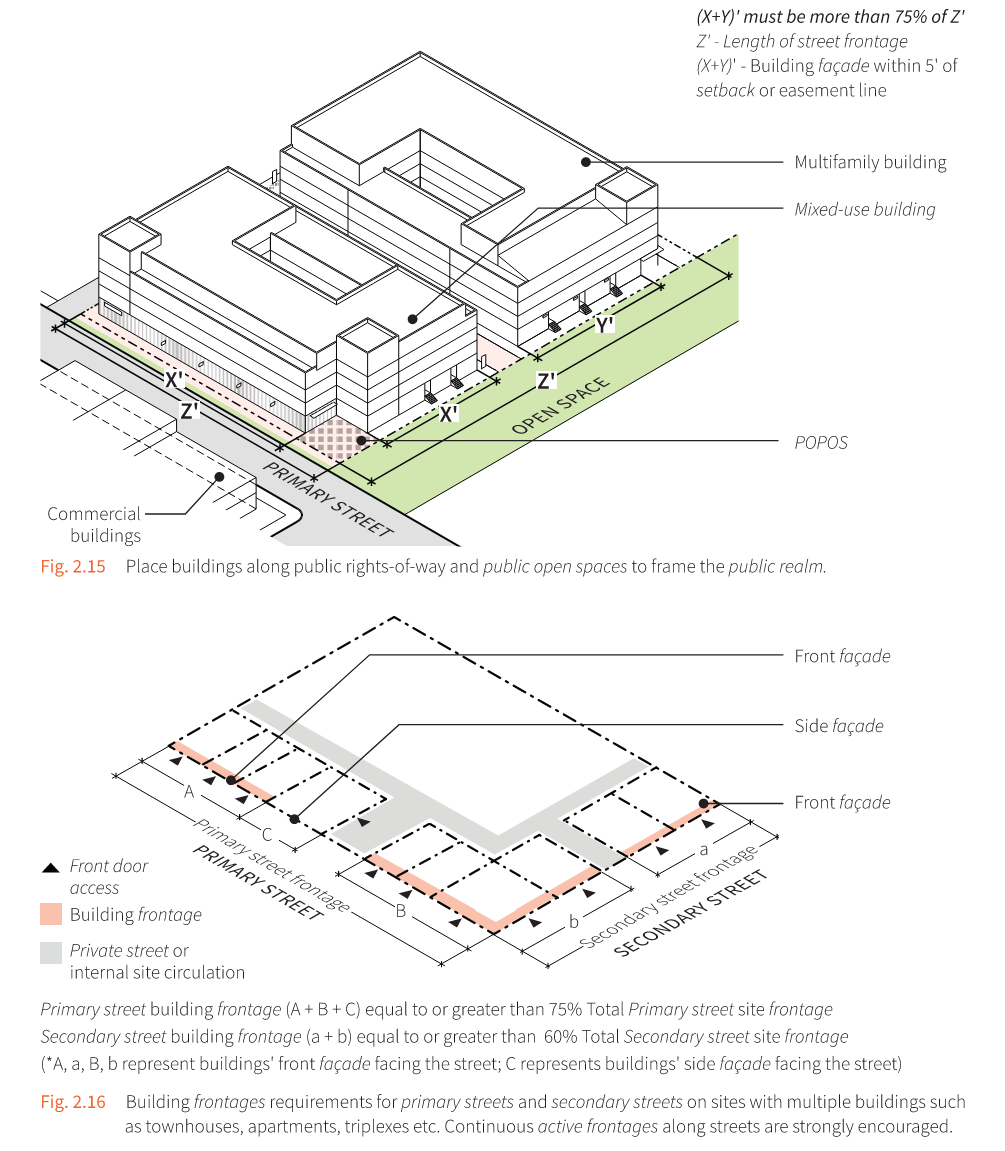
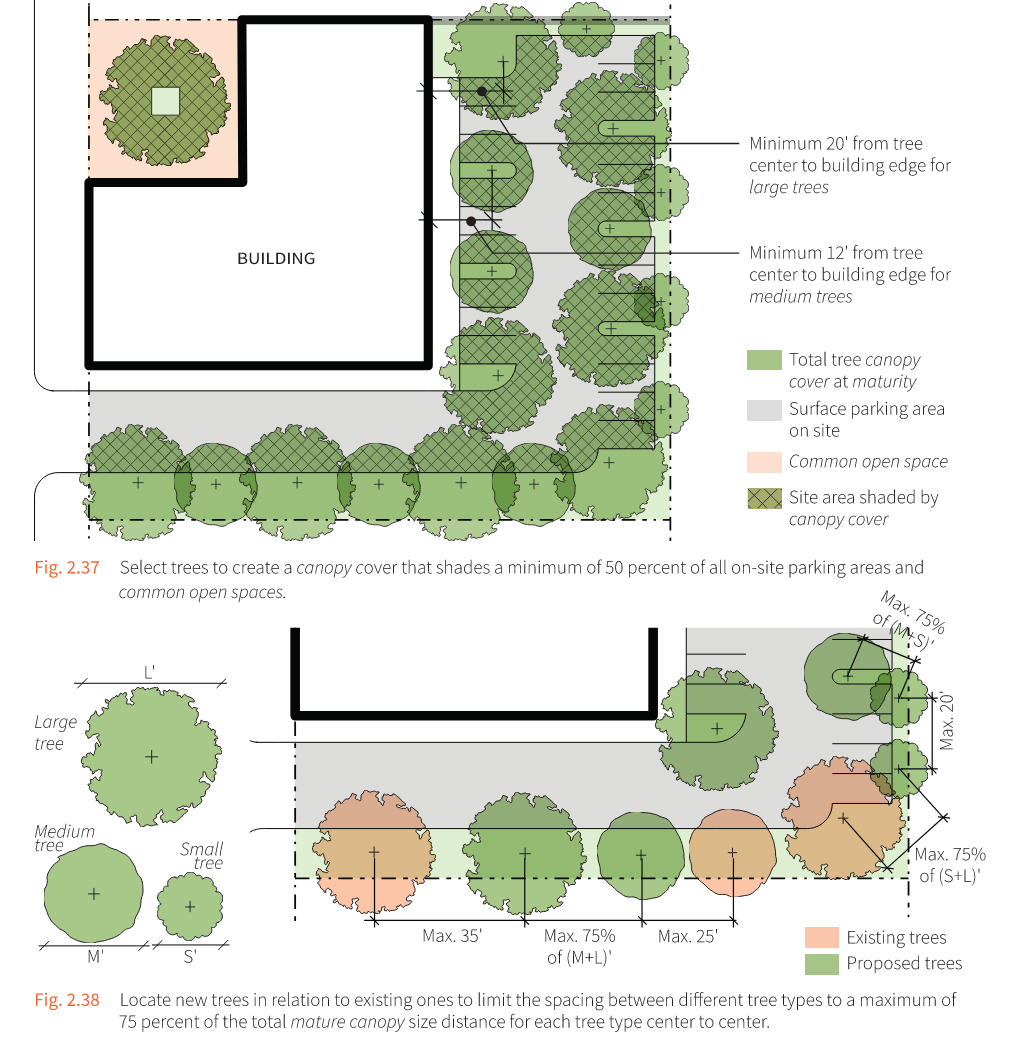
- Site Context, Access, and Organization
- Building Massing, Access and Entry, and Elements
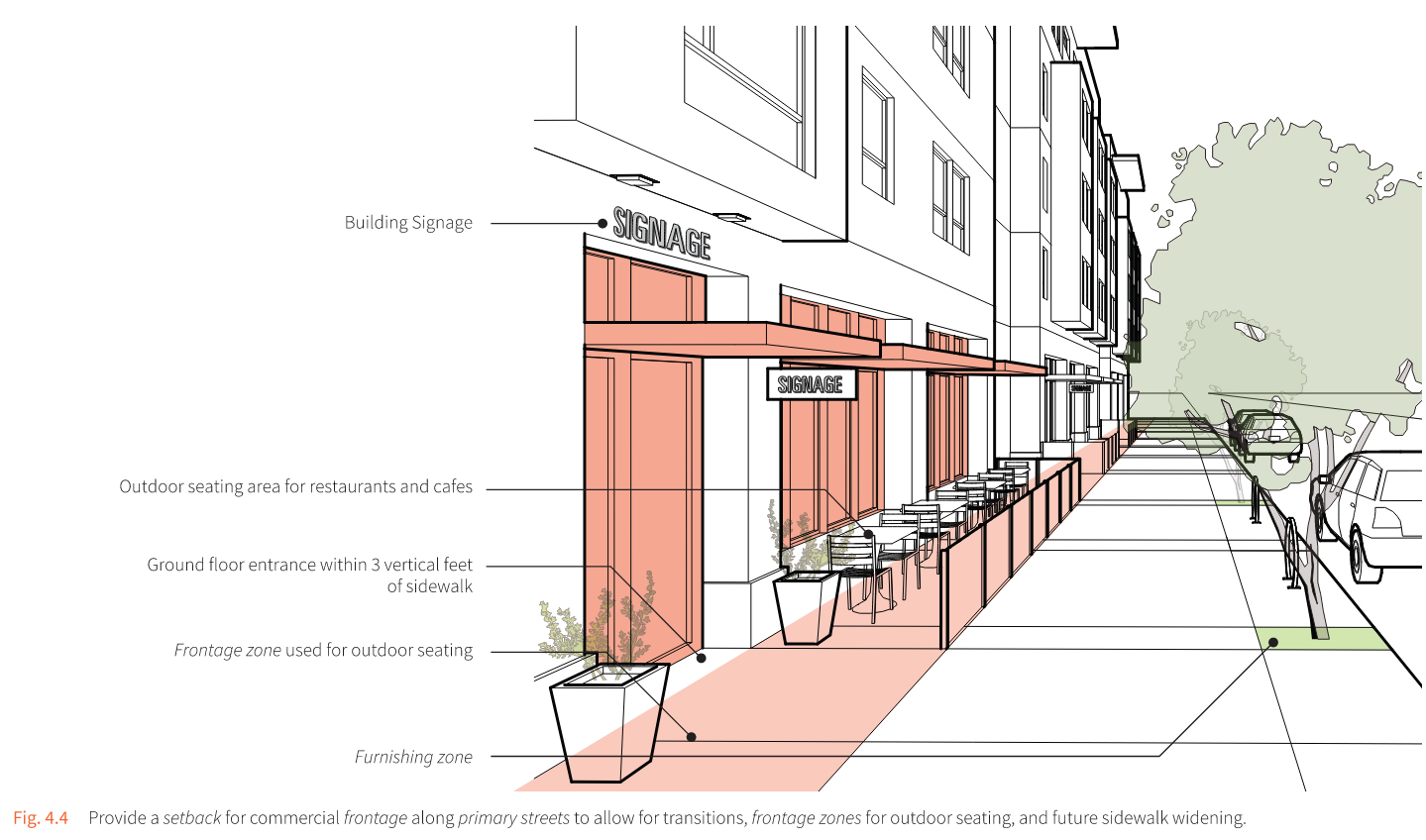
- Pedestrian Level Treatments, Open Space Design, and Public Art
- Specific Development Types; Residential, Commercial, Industrial
Project Information
- Client: City of San José
- Project Scale: Residential and Commercial Design Standards and Guidelines
Awards
- American Planning Association (APA) California Chapter Award of Excellence for Urban Design
- American Planning Association (APA) Northern California Chapter Award of Excellence for Urban Design
Design Standards & Guidelines
VMWP has written standards, guidelines, and created development prototypes for single and multi-family residential development, neighborhood commercial centers, large-scale new development, and transit villages. We build on the best qualities of a place to strengthen and enhance the existing character of a neighborhood, a street corridor, or an entire city. The process of setting such standards is a critical way for a community to transform its vision into a reality, while creating an invaluable tool to both shape and accommodate a city’s future.