Posted on: May 5, 2026
Bi-Rite, 18 Reasons, and Crankstart have teamed up to open the nonprofit Sunnydale Market in Visitacion Valley.
Source: The San Francisco Standard; Author: Sara Deseran
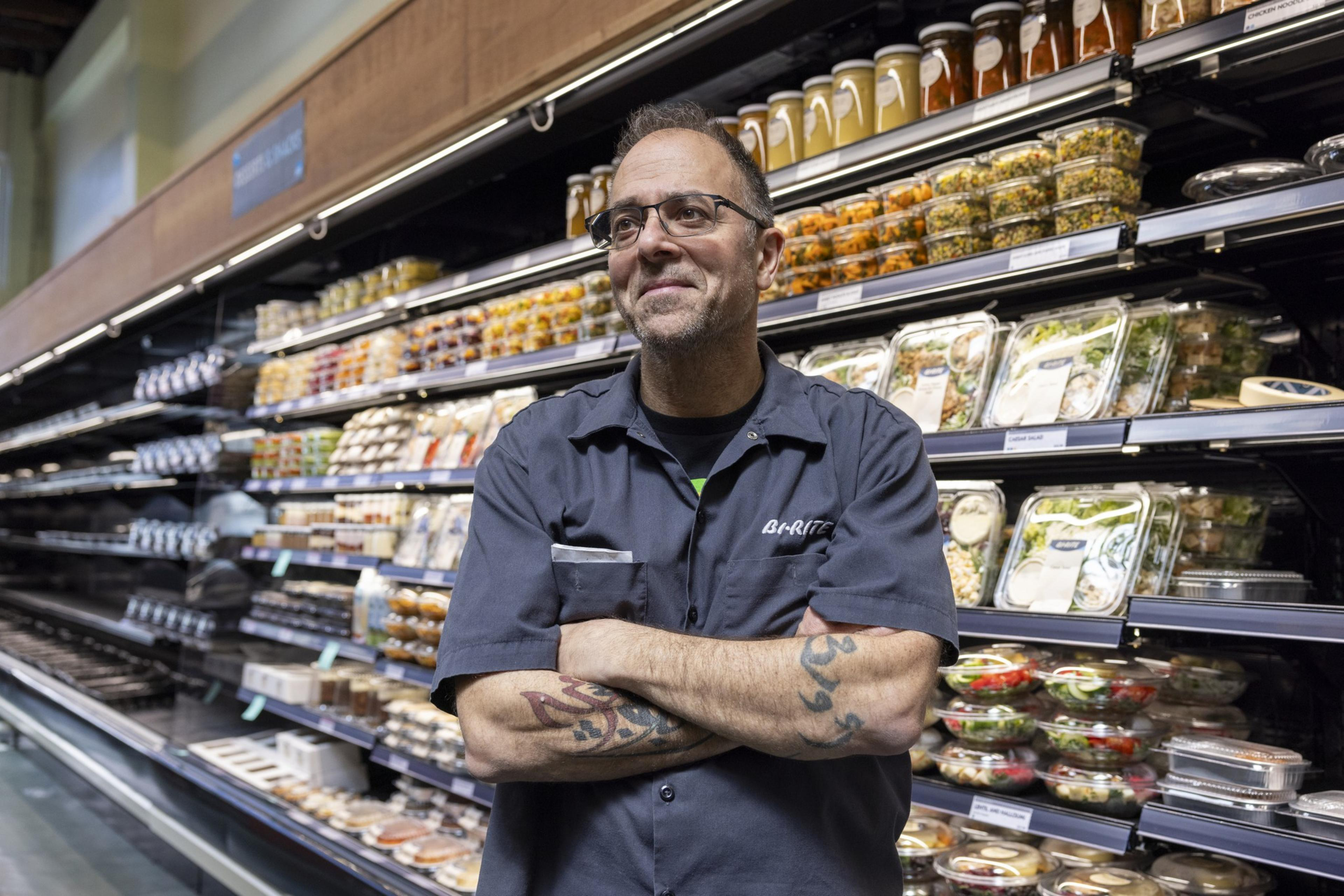
Sam Mogannam at Bi-Rite Market’s Polk Street location. | Source:Amanda Andrade-Rhoades/The Standard
Last Wednesday, 18 Reasons, the food education nonprofit affiliated with Bi-Rite Market, celebrated its 18th year at its annual gala. But, that evening, the anniversary celebrations were eclipsed by an even bigger announcement: The organization plans to open a nonprofit grocery store in the Sunnydale neighborhood of Visitacion Valley by late 2027.
This will not be a food pantry version of a Bi-Rite — there won’t be subsidized Saba boysenberry-beet jam or Fishwife smoked salmon with chile crisp. Sunnydale Market will stock fresh produce, pantry staples, and ingredients “reflecting the cultural traditions of the neighborhood’s Black, Latino, Asian, and Pacific Islander communities” at prices averaging 35% to 45% below retail. It will accept SNAP and WIC and won’t sell alcohol or tobacco.
The 2,800-square-foot market will be at 1515 Sunnydale Ave., on the ground floor of the new Amani building, part of Sunnydale Hope SF(opens in new tab), a city-led redevelopment project built by Mercy Housing and Related California that will convert public housing into roughly 1,770 mixed-income homes. Within it will also be a food hall, a coffee shop, and a handful of small retail spaces.
Bi-Rite will operate the market, but this isn’t a project that begins and ends with owner Sam Mogannam, who in 1998 took over his family’s corner store in the Mission and made it into the nationally recognized grocer it is today.
18 Reasons — which already runs cooking and nutrition classes at Sunnydale’s community space The Hub(opens in new tab) — will lead operations, manage funding, and provide infrastructure, including a development team, finance, communications, and a board. “Instead of starting from scratch, like a lot of similar projects have done, we’re taking an existing nonprofit and an existing retail expert and bringing them together,” said Sarah Nelson, the organization’s executive director.
The financing is what makes the model unique. It is a long-term commitment funded by Crankstart, established by Harriet Heyman and her husband, the venture capitalist Michael Moritz, who is also chairman of The San Francisco Standard. Crankstart will cover rent, wages, and utilities, allowing the groceries to be priced affordably. “Everything will be sold at cost,” Mogannam said onstage at the gala.
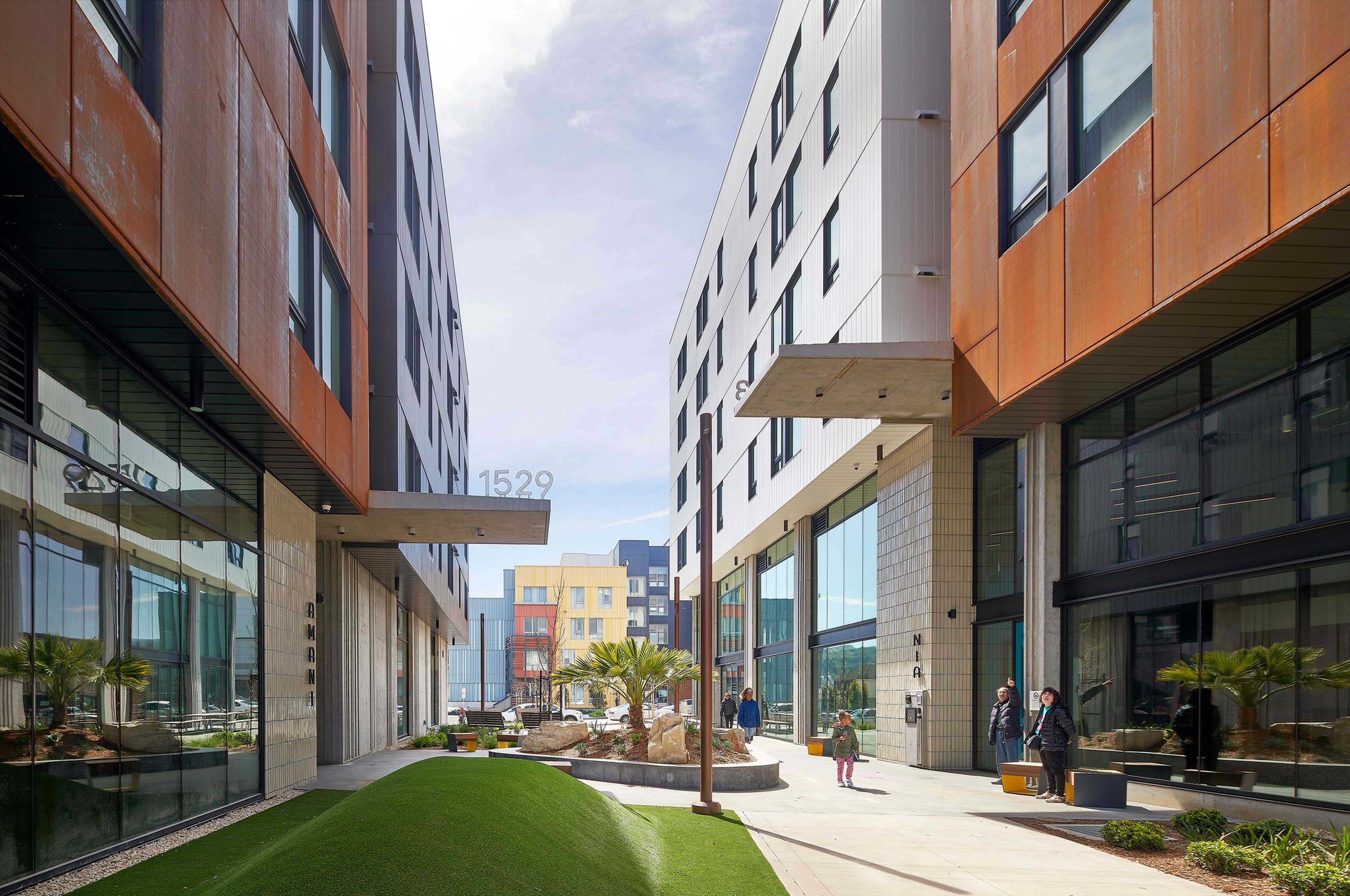
Amani and Nia at Sunnydale. | Source:Courtesy David Baker
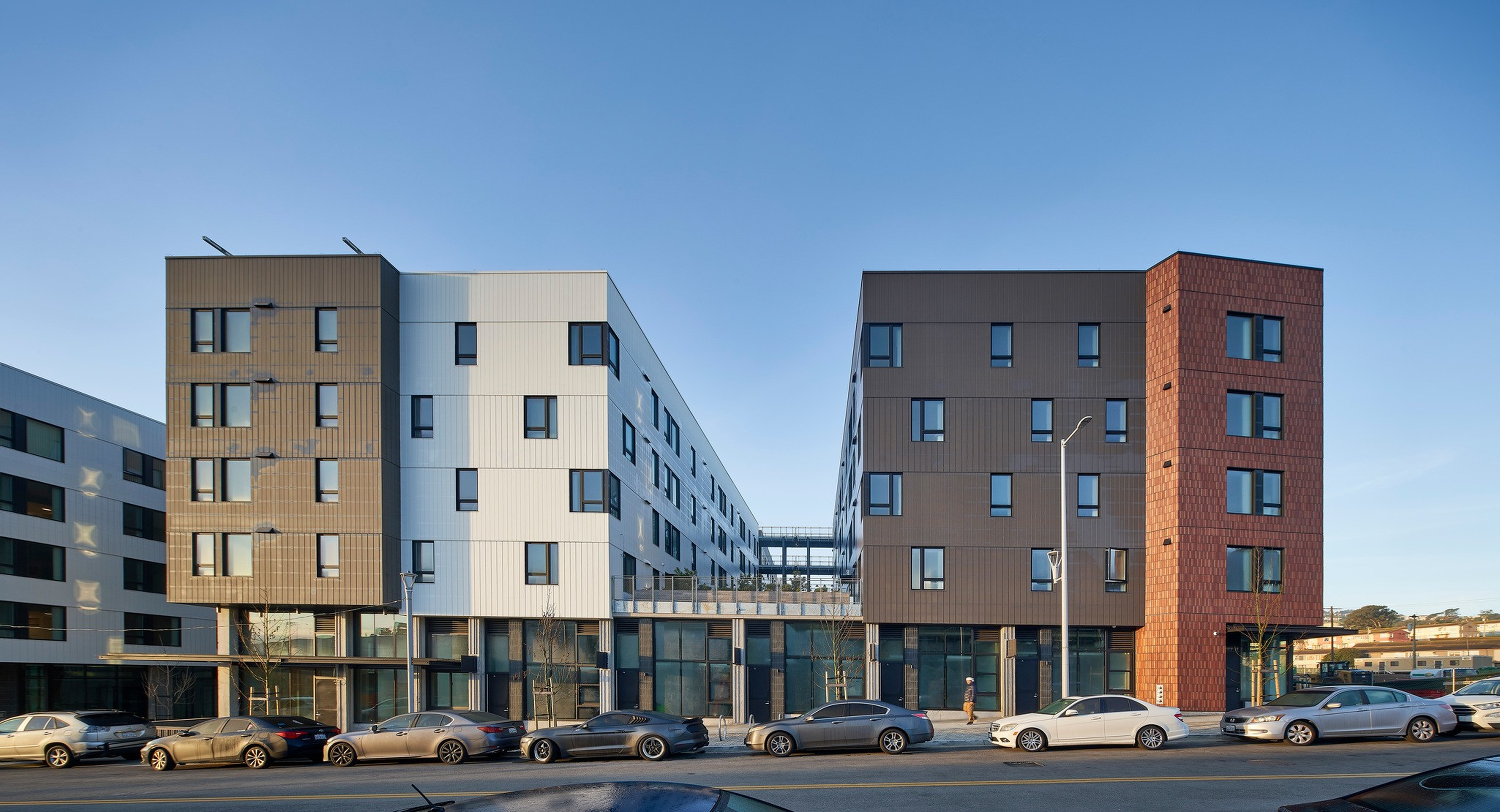
The housing complex will include the market, plus a food hall and coffee shop. | Source:Courtesy David Baker
In light of New York City announcing that its first public grocery store will break ground in 2027(opens in new tab), the Sunnydale team wants to make clear that this is not like Mayor Zohran Mamdani’s government-run model. Nor is it a food pantry like San Francisco’s D10 Community Market in Bayview-Hunters Point, which has limited hours and registration criteria. The bet at Sunnydale Market is that Crankstart’s commitment to covering operating costs for the long term — not just startup expenses — will make this version sustainable.
The need is acute, as 1 in 4 San Franciscans is food insecure, according to Mogannam. The USDA has designated Sunnydale as both low-income and low-access, a community where nearly 40% of households do not own a vehicle and live more than half a mile from a grocery store. The median household income is less than $20,000, versus $109,000 citywide. Mercy Housing’s community food assessment found more than $5.5 million in unmet annual grocery demand within the neighborhood.
There’s one catch: Due to construction delays at the Amani building, 18 Reasons has yet to sign a lease, which it was banking on doing before the gala. But Nelson is convinced it will all work out and is forging ahead as planned. “We were ready to tell people,” she said.
As a way of collecting data, she envisions tagging along with people from the neighborhood as they shop to see what they really need. “I want to ask, ‘Where do you go? What do you buy?’” Nelson said. Mogannam has already been participating in community engagement meetings and is committed to ensuring the market serves the Sunnydale community’s needs.
When it was time for Pastor Sonya Brunswick of Greater Life Church, who has lived in Sunnydale since the 1960s, to take the stage at the 18 Reasons gala, she put it straight: “We’ve seen grocery stores come and go and not survive in our community — since the ’60s, the ’70s, the ’80s, the ’90s, and even now.” This one, she said, feels different: “It means our community is being valued. After all these years, that alone is invaluable.”
Read the full article, here.
Posted in: News