Posted on: April 14, 2026
The conversation around the Bay Area Rapid Transit (BART) system has shifted. While the fiscal cliff dominates headlines, the solution lies not just in subsidies or fare increases but in the very land BART owns. At Van Meter Williams Pollack (VMWP), we see Transit Oriented Development (TOD) as the essential engine for BART’s long term financial solvency and the region’s economic resilience.
Building housing at BART stations is no longer just an urban design preference, it has become a fiscal imperative. Here is how intensive housing development solves the crisis from the ground up.
“To ensure the long term viability of our transit systems, we must move beyond thinking of stations as mere transit stops and start treating them as the hearts of our communities. By integrating high density housing directly into the BART fabric, we create a self sustaining ecosystem where transit supports living and living supports transit.” –Karen Murray, Architect / Urban Designer, Partner at VMWP
Creating a Built-In Ridership Base
The traditional commuter model, reliant on suburban residents driving to station parking lots, has been permanently altered by remote work. To stabilize revenue, BART needs a captive audience. By replacing surface parking with high density housing as seen in our master planning for MacArthur BART Transit Village and Ashby and North Berkeley BART, we place thousands of potential riders literally on the platform. These transit first residents use the system for more than just work as they use it for mid day trips, weekends, and late night social outings, which creates a more consistent and reliable farebox recovery.

MacArthur BART Transit Village Master Plan, Oakland, California
Converting Liability into Lease Revenue
Vast surface parking lots are a financial drain because they require maintenance, security, and lighting while yielding minimal revenue per square foot. VMWP specializes in helping BART transition these liabilities into long term ground leases. At El Cerrito Plaza Building B, our design replaces asphalt with 259 market rate units. This transformation generates steady non fare revenue for BART through lease payments and provides a financial cushion that is independent of daily ridership fluctuations.
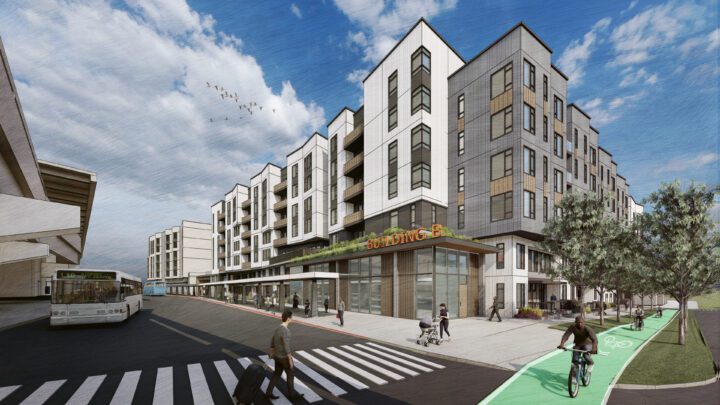
Building B at BART El Cerrito Plaza, El Cerrito, California
Efficiency Through Infrastructure
Building at the station is a masterclass in regional efficiency. When housing is centered at BART hubs, the last mile problem disappears. The existing multi billion dollar investment in tracks and stations is maximized rather than requiring the over extension of utilities and roads into the urban fringe. By focusing growth inward, which is a core tenet of our work at Westbourne Park in Fremont, we reduce the public cost of infrastructure maintenance for the entire region.
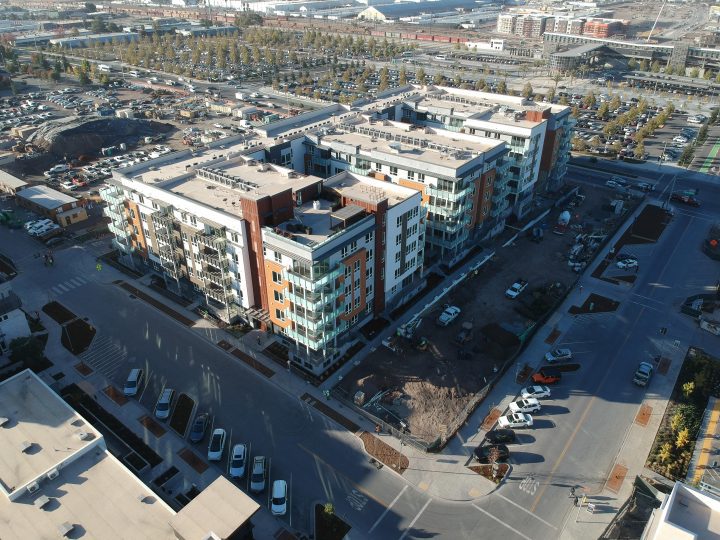
Westbourne Park at Metro Crossing in Fremont, California
VMWP’s Strategic Role in Designing the Solution
The path to fiscal health for BART is complex and involves intricate Zone of Influence engineering and delicate community negotiations. VMWP acts as the bridge between these technical requirements and the human need for quality housing.
Whether it is navigating the equitable rezoning of Ashby BART or implementing modular construction at El Cerrito to bring units to market faster, our goal is the same. We strive to create a sustainable and self funding urban ecosystem. By building homes at the station, we are not just solving a housing crisis but ensuring that BART remains the backbone of the Bay Area for generations to come.
Posted in: News